
Future of Digital Marketing Education
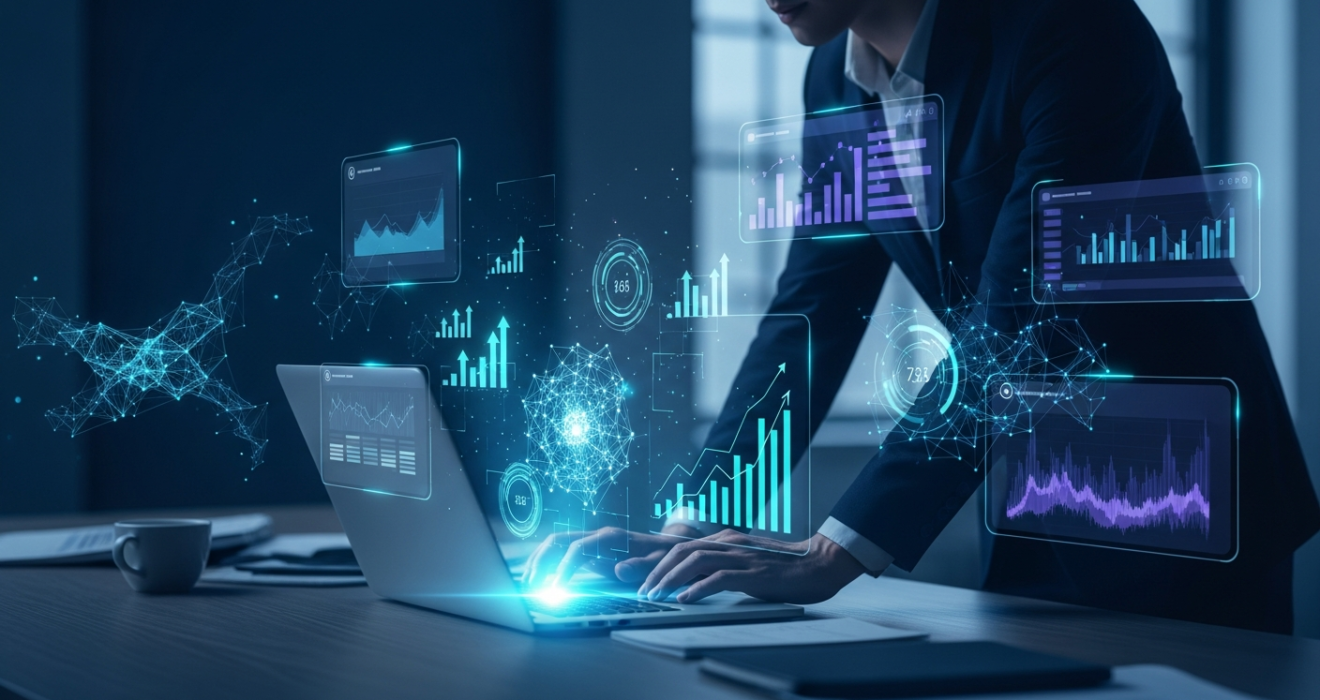
Here’s something most businesses and aspiring marketers are grappling with: The digital landscape shifts so rapidly that what you learned yesterday might be outdated by tomorrow. Remember when a simple social media presence felt cutting-edge? Now, we’re talking AI-driven personalization, predictive analytics, and hyper-targeted campaigns that would make yesterday’s gurus scratch their heads. So, if the field itself is a constant moving target, what does that mean for the future of digital marketing education?
It means we can’t just keep teaching the same old playbooks. The way we learn, what we learn, and who we learn from all need a serious upgrade. We’re not just preparing marketers for the next five years, but for a continuous evolution that demands adaptability and foresight.
The Obsolete Textbook & The Dynamic Digital Brain
For too long, digital marketing education followed a traditional model: textbooks, fixed curricula, and certifications that felt like a finish line. But the internet doesn’t have a final exam; it has an endless stream of updates, new platforms, and shifting algorithms. This creates a glaring gap between academic theory and real-world practice.
The future of digital marketing education isn’t about memorizing tactics; it’s about developing a “dynamic digital brain”—a mindset that embraces continuous learning, critical thinking, and a deep understanding of *why* things work, not just *how* to do them. It’s less about static knowledge and more about agile skill acquisition.
What is the future of digital marketing education? The future of digital marketing education is dynamic, immersive, and highly personalized, integrating AI and real-world projects to build a strong foundation of analytical, strategic, and adaptive skills. It will emphasize continuous learning and practical application over rote memorization, preparing professionals for an ever-evolving digital landscape.
Navigating the AI Tsunami: The Core Shift
Let’s be blunt: AI isn’t just another tool; it’s a foundational shift. Generative AI, machine learning, and automation are already reshaping content creation, ad targeting, data analysis, and customer service. Ignoring AI in digital marketing education isn’t an option; it’s a recipe for irrelevance. This means education must pivot from teaching *just* the tools to teaching *how to strategically leverage AI* with human insight and ethical considerations.
Think about it: Why teach someone to write 10 social media posts from scratch when AI can draft 100 in minutes? The value isn’t in the drafting anymore; it’s in the prompt engineering, the strategic editing, the ethical oversight, and the nuanced understanding of audience that only a human can provide. This is where the real skill lies, and where future education must focus.
“The greatest challenge isn’t learning AI, but learning how to think differently *with* AI.” – Pranav Veerani
This perspective is crucial. As an AI Digital Marketing Consultant & Growth Strategist, Pranav Veerani often emphasizes that true expertise in the AI era isn’t about competing with machines, but collaborating with them to achieve unprecedented growth and efficiency.
The Adaptive Marketer’s Compass: A Framework for Future Learning
To thrive, digital marketing education needs a new framework. Let’s call it The Adaptive Marketer’s Compass. This isn’t a rigid curriculum but a guiding philosophy for how skills should be acquired and maintained.
Pillars of the Adaptive Marketer’s Compass:
- AI Fluency & Ethical Application: Understanding how AI works, its capabilities, limitations, and ethical implications. Not just using tools, but understanding the underlying principles.
- Strategic Thinking & Problem Solving: Moving beyond execution to deep strategic planning, identifying market opportunities, and solving complex business challenges with data.
- Data Science & Analytics Interpretation: The ability to not just read dashboards, but to interpret complex data, identify patterns, and translate insights into actionable marketing strategies.
- Human Psychology & Behavioral Economics: The timeless understanding of what drives people, how they make decisions, and how to connect on an emotional level – something AI augments but doesn’t replace.
- Continuous Learning & Agility: Instilling a mindset of lifelong learning, adapting to new technologies, and a comfort with ambiguity.
- Interdisciplinary Collaboration: Working seamlessly with product teams, sales, tech, and other departments to achieve holistic business goals.
Implementing The Compass: Step-by-Step Evolution
For educational institutions and individuals alike, this framework translates into practical steps:
- Audit Current Curricula: Remove outdated modules; integrate AI into every aspect of existing topics (e.g., AI in SEO, AI in content, AI in ads).
- Prioritize Project-Based Learning: Real-world scenarios, case studies, and hands-on projects where learners use AI tools to solve actual marketing problems.
- Foster Critical Thinking & Prompt Engineering: Teach students how to ask the right questions, refine AI outputs, and understand the biases within AI models.
- Emphasize Data Storytelling: Go beyond data collection to teaching how to weave compelling narratives from numbers that drive decisions.
- Cultivate Soft Skills: Communication, empathy, creativity, and adaptability become even more vital in an AI-powered world.
- Partnerships with Industry Leaders: Collaborate with agencies and tech companies to ensure curriculum relevance and provide internship opportunities.
The 2026+ Outlook: Beyond AI Tools
By 2026 and beyond, AI won’t be a novel add-on; it will be the operating system of digital marketing. Education won’t just teach “AI tools,” but rather “marketing in an AI-native world.” We’ll see:
- Hyper-Personalized Learning Paths: AI itself will customize educational journeys based on a learner’s strengths, weaknesses, and career goals.
- Synthetic Media & Virtual Experiences: Marketing in the metaverse, using AI to create synthetic influencers, and designing immersive brand experiences will become standard. Education must cover these emerging channels.
- Emphasis on Ethical AI & Responsible Marketing: Understanding deepfakes, data privacy, and algorithmic bias won’t be optional; it will be a cornerstone of responsible marketing practice.
- Predictive Strategy over Reactive Tactics: Marketers will be trained to use AI for forecasting trends, customer churn, and campaign effectiveness, allowing for proactive, rather than reactive, strategies.
Your Future-Proof Marketing Education Checklist
- Does the program integrate AI into *all* marketing functions, not just as a separate module?
- Is there a strong emphasis on hands-on, project-based learning with real-world data and tools?
- Does it teach critical thinking, problem-solving, and prompt engineering over rote memorization?
- Are ethical considerations for AI and data privacy a core part of the curriculum?
- Does it encourage continuous learning and adaptability to new technologies?
- Are there opportunities for mentorship or interaction with current industry experts?
- Does it focus on strategic thinking and data interpretation, not just tool usage?
Frequently Asked Questions
How will AI change the role of a digital marketing educator?
Digital marketing educators will shift from being primary information providers to facilitators, mentors, and guides. Their role will involve curating relevant, up-to-date content, designing real-world projects, fostering critical thinking around AI’s ethical use, and helping students navigate ever-evolving tools and strategies. They’ll emphasize problem-solving over rote instruction.
What core skills should aspiring digital marketers focus on today to be ready for the future?
Beyond traditional marketing fundamentals, aspiring marketers should prioritize AI fluency (understanding capabilities, prompt engineering), advanced data analytics and interpretation, strategic thinking, behavioral psychology, and strong communication skills. Adaptability and a commitment to continuous learning are also crucial.
Is a traditional degree still valuable for digital marketing?
While traditional degrees provide foundational knowledge and a structured approach, their value for digital marketing is increasingly complemented by specialized, agile, and industry-focused certifications or bootcamps. The most valuable education combines strategic depth (often found in degrees) with practical, up-to-the-minute skills acquired through targeted programs that emphasize AI and real-world application.
How can individuals stay updated with the rapid changes in digital marketing?
Staying updated requires a proactive approach: regularly reading industry blogs, attending webinars and conferences, experimenting with new tools, networking with peers, and investing in continuous learning platforms or specialized courses that are designed for the modern landscape. Institutions like FSIDM are specifically designed to offer this kind of forward-thinking, adaptive education.
What is the biggest mistake marketers make regarding future skills?
The biggest mistake is viewing AI as a threat or a standalone tool, rather than an integrated component of all marketing activities. Many marketers also mistakenly focus solely on learning specific tool interfaces, rather than understanding the underlying strategic principles and human behaviors that AI augments. This leads to tactical execution without strategic depth.
The future of digital marketing education isn’t a destination; it’s an ongoing journey. It demands a proactive, agile, and AI-fluent approach that prioritizes strategic thinking and continuous adaptation.
To truly thrive in this evolving landscape, you need an educational partner that understands these shifts deeply. It’s about empowering you not just with tools, but with the mindset and strategic acumen to lead in an AI-powered world, turning challenges into growth opportunities.
Are you ready to redefine your learning path and equip yourself with the skills for tomorrow? Explore programs that embrace the future, today.